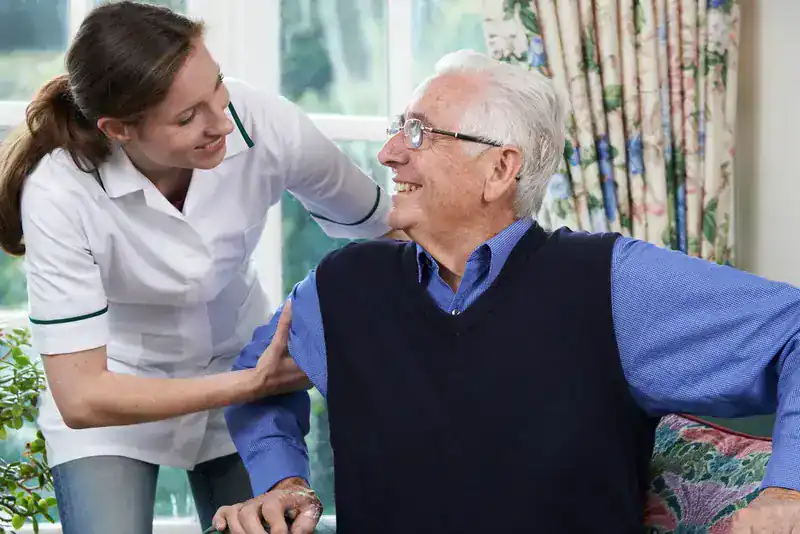
Your agency’s non-medical services are the essential foundation that allows your neighbors to live safely and comfortably in their own homes. This honors the fierce independence and deep community roots that define life across the Golden State, from the innovation hubs of the Bay to the farmlands of the Central Valley and the laid-back coastal towns.
Every client is unique. Their personal well-being, dignity, and daily preferences, whether it’s a morning walk along the beach, tending to a backyard garden in Sonoma, or a cherished weekly trip to a favorite local market, must remain the unwavering core of everything you do. This is how you provide care that truly matters.
Understanding Your Client’s Unique World in California
Before a single service begins, take the time to deeply understand your client’s unique situation, preferences, and goals. Your services—assistance with bathing, dressing, grooming, and meal preparation—are the building blocks of daily independence. Identifying these specific needs is the first step in creating an effective, personalized plan.
Conducting Comprehensive Cultural & Care Assessments for California:
-
Develop Intake Forms That Capture the Whole Person: Go beyond medical history. Include questions about cultural identity, primary language spoken at home (be it English, Spanish, Mandarin, Tagalog, or Vietnamese), dietary preferences tied to our amazing food culture, and important religious or spiritual practices. This builds respect into care from day one.
-
Engage in Conversations About Beliefs and Family: Have meaningful discussions about how a client’s cultural beliefs or family dynamics shape their view of care and aging. Inquire about food likes and dislikes for both nutrition and comfort, it’s about the soul as much as the body.
-
Gather Holistic Care and Lifestyle Information: Document medical conditions while also noting daily routines, social habits, and how the client’s environment, like a home in a fire-prone area or a walk-up apartment in a dense city, affects their life.
Building Care on a Foundation of Respect and Local Knowledge
True quality care is built on cultural understanding and practical knowledge of life in California.
Your Guide to Cultural Competency:
-
Let Respect Guide Every Interaction: Train your team to be responsive to each client’s care beliefs, practices, and linguistic needs. Use clear, kind language and utilize interpreter services to ensure communication is never a barrier.
-
Commit to Ongoing, Real-World Training: Equip caregivers through regular training on California’s incredible diversity. Make it an ongoing conversation that helps your team provide unbiased, compassionate care to clients from all walks of life.
-
Partner with Families as Guides: Involve the family in developing the care plan. Use assessments that explore a client’s views on home care and culturally acceptable practices to ensure the plan aligns with their values and traditions.
Seeing the Full Picture: Social Determinants of Home Care in California
Exceptional care looks beyond the front door. It understands that a client’s care is deeply connected to their environment and resources.
Key Areas to Assess for Holistic Well-being:
-
Evaluate Transportation and Access: Proactively assess needs in a state defined by car culture and, in many areas, limited transit. Determine reliable access to medical appointments, grocery stores, and pharmacies.
-
Assess Economic Stability and Food Security: With sensitivity, understand a client’s ability to afford basic needs in our high-cost state. Discuss access to nutritious food and evaluate their sense of safety in their neighborhood.
-
Conduct a Thorough Home Safety Evaluation: Look for fall risks, earthquake safety (strapped water heaters, secure bookcases), fire safety, especially in older or rural homes, and evacuation accessibility.
-
Understand Home Care Literacy and Advocacy: Explore a client’s comfort with home care systems to ensure information is communicated in a way they can understand and act upon.
Action Step: Develop a detailed client assessment tool that covers daily routines, communication preferences, important relationships, and personal goals, capturing what truly matters to each individual.
A Care Plan as Unique as the Person and Their Place
A comprehensive care plan is a living commitment to your client’s dignity. Built from a deep understanding of their needs, it becomes your shared roadmap.
Your Person-Centered Care Planning Process:
-
Make it a True Collaboration: Place the client at the center, supported by their chosen family and your care team.
-
Build on Strengths, Not Just Needs: Frame the plan around the client’s abilities, goals, and personal aspirations, what brings them joy and purpose.
-
Weave in Personal Culture and Routine: Intentionally incorporate the client’s cultural traditions, preferred foods, and cherished daily rhythms.
-
Treat the Plan as a Living Document: Schedule regular reviews to adapt the plan as the client’s situation evolves.
A Care Plan Built for California Life
A good care plan doesn’t just work in theory; it works in a home in Fresno during a heatwave or in a Santa Cruz cottage during a power shutoff.
Your California-Specific Care Plan Components:
-
Integrate Person-Centered Concepts: Weave the client’s own goals and daily preferences into every aspect of their care.
-
Incorporate Golden State-Ready Emergency Preparedness: Detail specific needs for emergencies like earthquakes, wildfires, Public Safety Power Shutoffs (PSPS), or heatwaves. Include evacuation support and medication access plans.
-
Detail Assistance with Daily Living: Outline support needed for all activities, with considerations for how seasonal heat or poor air quality impacts those with respiratory conditions.
-
Address California’s Environmental Challenges: Proactively account for fall risks, heat illness prevention, and creating safe indoor spaces during wildfire smoke season.
Documentation: Your Record of Trust, Safety, and Compliance
Meticulous documentation is the backbone of safe, high-quality care and your agency’s legal protection in California.
Your Documentation and Compliance Framework:
-
Meet California’s Regulatory Standards: Develop care plans and maintain all client records to satisfy state licensing (CDSS HCO requirements) and any Medi-Cal/IHSS program standards. Uniform excellence is key.
-
Maintain Comprehensive Records: Keep detailed records for each client and diligent staff files with current Home Care Aide (HCA) registry status, training, and reviews.
-
Document Systematically: Record all medication reminders and observations with precision. Document internal audits and quality improvements.
-
Implement a Dynamic Review System: Establish a schedule for regular care plan reviews. Build in triggers for immediate reassessment, such as after a hospital stay, a fall, or a major event like a wildfire evacuation.
Action Step: Build a care plan template with dedicated sections for client preferences, favorite daily rituals, how they best receive information, alongside clinical protocols. This creates a living guide for personalized, respectful care.
Delivering Care That Truly Sees the Person
Person-centered care honors each client’s dignity, autonomy, and unique spirit. It’s a shift from a task list to a genuine partnership.
Implementing Culturally Responsive Care Practices:
-
Build a Team That Reflects California’s Diversity: Hire and train caregivers who reflect the communities you serve, from East LA to the Central Valley to Silicon Valley.
-
Prioritize Clear, Compassionate Communication: Commit to cultural competence training to build trust and understanding.
-
Break Down Language Barriers Proactively: Use professional interpreter services and provide materials in translated formats for clarity and safety.
Upholding Autonomy, Privacy, and Respect
Respect your client’s right to choose. A client with decision-making capacity must be given clear information, and their choices must be honored.
Guiding Principles for Your Agency:
-
Co-Create Care Plans: Develop every plan with the client and their family, tailoring it to their lifestyle, values, and aspirations.
-
Safeguard Privacy and Confidentiality: Uphold the highest standards of privacy in their home and strict confidentiality for all information. This is the foundation of trust.
The Care That Sticks: Building Real Connections
The best care happens in the moments between tasks. It’s listening to a story, sharing a laugh, or noticing the little things. This builds the trust that families remember.
How to Build Those Real Connections:
-
Listen Like They’re the Only Person in the Room. Put the clipboard down. Make eye contact. Ask follow-up questions that show you’re paying attention to their story.
-
Do Life With Them, Not Just For Them. Care is folding laundry together, helping water the plants, or sharing a simple meal. These shared moments are where real bonding happens.
-
Take Care of Your People. Your caregivers are your heartbeat. Support them, ask about their lives, and prevent burnout. A supported and valued caregiver provides warmer, more stable, and more compassionate care.
Action Step: Implement a “Getting to Know You” profile for each client that includes their life history, important relationships, and personal preferences. Ensure every caregiver reviews it and adds to it, creating a rich, shared understanding.
Keeping California Homes Safe and Sound
Safety means creating a secure environment in the place they feel most at home.
Creating a California-Ready Safe Environment:
-
Start with a Thorough Home Safety Check: Every plan should begin by walking through the home. Look for earthquake hazards (unsecured tall furniture), trip hazards, check lighting, and ensure good ventilation and air filtration for smoke season.
-
Install Practical Supports for Independence: Recommend and help install grab bars, non-slip mats, shower seats, and ensure paths are clear. Prevent falls before they happen.
-
Prepare for the “What Ifs” Unique to California: Have a plan for Public Safety Power Shutoffs, with flashlights and backup charging. Maintain a “go bag” for wildfire evacuations. Train caregivers on heat illness and smoke inhalation symptoms.
Keeping Your Finger on the Pulse of Care
Regularly checking in on client happiness is how you spot a small issue in Fresno before it becomes a big problem and discover what’s working in San Diego.
Your Action Plan for Listening and Improving:
-
Ask Everyone, and Make It Easy: Use simple, accessible surveys or gentle verbal check-ins that work for clients of all literacy levels and language backgrounds.
-
Bake Safety Updates into Your Routine: Weave the latest guidelines, from earthquake prep to wildfire readiness, into regular caregiver training. Make it a normal part of the conversation.
-
Own Your Feedback with Transparency: Have a clear, friendly system for addressing concerns. Show how client feedback leads to better training or new protocols, closing the loop builds immense trust.
Your Next Move: Listen, Learn, and Grow
Build a simple quarterly check-in survey. Acknowledge and act on every piece of feedback with a follow-up. This shows you’re in a real partnership.
Put quality of care first. The compassion and professionalism you pour into every relationship won’t just build trust, it will ripple out, creating a lasting, positive impact in your community. You’re ready to deliver care that truly matters while building a resilient agency that serves California’s unique communities with unwavering dignity and respect.