
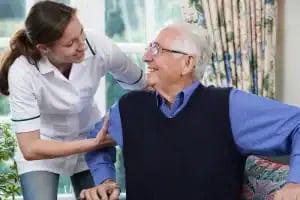
Cultural Competency in Minnesota Home Care: Providing Respectful and Personalized Care
Introduction: The Importance of Cultural Competency in Minnesota Home Care
Minnesota is known for its diverse population, with various cultural, ethnic, and linguistic groups. As a home care agency owner or operator, cultural competency in Minnesota home care is essential for ensuring that seniors and clients receive the best care tailored to their unique needs. Cultural competence means more than just understanding a client’s background, it involves respecting their values, beliefs, and preferences to deliver personalized, effective care.
In this blog, we’ll explore why cultural competency is crucial in Minnesota’s home care industry, how it impacts client satisfaction and caregiver relationships, and the key steps for agencies to implement cultural competency training.
Understanding Cultural Diversity in Minnesota
Minnesota is home to a wide variety of communities with distinct cultures, languages, and traditions. From Hispanic and Somali communities in the Twin Cities to Hmong, African American, and Asian populations, caregivers in the state must be equipped to meet the needs of people from different backgrounds.
Key Cultural Communities in Minnesota:
-
African American Community: A large and influential community, especially in cities like Minneapolis and St. Paul, where culture, family, and faith are central to caregiving.
-
Hispanic/Latino Community: This rapidly growing population values family and traditional food, with a preference for bilingual caregivers.
-
Somali Community: One of the largest refugee groups in Minnesota, with distinct religious and dietary practices such as halal food requirements and observance of Ramadan.
-
Hmong Community: Many in this group prefer caregiving that respects family-oriented practices and traditional herbal remedies.
-
Native American Community: Minnesota has several Native American tribes, where caregivers must respect tribal customs and spiritual practices.
As the state’s population becomes more diverse, providing culturally competent home care becomes a business necessity to foster trust and positive relationships with clients.
The Role of Cultural Competency in Home Care Services
Cultural competency in home care services goes beyond just understanding a client’s language or food preferences. It involves learning how cultural beliefs influence healthcare decisions and daily living. Being culturally competent means:
Understanding Cultural Differences
Different cultures have varying perceptions of healthcare, age, and independence. For example, in some communities, family caregivers play a significant role, and they might not always understand or accept outside assistance. A culturally competent caregiver will respect these boundaries and work alongside the family to support the client’s needs.
Respecting Cultural Traditions and Values
Many clients may have specific dietary preferences, such as halal food for Muslim clients or kosher food for Jewish clients. Understanding these dietary needs, as well as religious observances (such as fasting during Ramadan), ensures that clients feel respected and valued.
Implementing Cultural Competency Training for Caregivers in Minnesota
For home care agencies in Minnesota, caregiver training is the key to building a culturally competent workforce. Cultural competency training should be mandatory for all caregivers and should cover the following areas:
Core Components of Cultural Competency Training:
-
Understanding Cultural Sensitivity: Training caregivers to recognize and respect cultural differences, especially in family dynamics and personal care practices.
-
Effective Communication: Helping caregivers improve communication skills, especially when language barriers exist. This could include learning key phrases in the client’s native language or using interpretation services.
-
Culturally Appropriate Meal Preparation: Teaching caregivers how to prepare meals that respect dietary restrictions (e.g., kosher, halal, vegetarian), and understanding the role of food in culture.
-
Understanding Religious Practices: Providing caregivers with the knowledge to support religious customs (e.g., prayer times, fasting, holiday observances) that may impact daily routines.
-
Cultural Awareness in Health Care: Caregivers should be aware of cultural influences on health care decisions, such as the preference for home remedies or traditional healing practices in some communities.
Training Delivery Methods:
-
In-person Workshops: Hands on learning where caregivers can engage in role playing and discuss cultural scenarios.
-
Online Training Modules: Offering flexible, online training for caregivers to learn about cultural competency at their own pace.
-
Ongoing Education: It’s essential to provide refresher courses and regular cultural sensitivity workshops to keep caregivers updated on best practices.
Certification Programs:
Home care agencies in Minnesota may also partner with organizations offering certification in cultural competency to further validate the training of their caregivers.
The Impact of Cultural Competency on Client Satisfaction and Quality of Care
Cultural competency not only ensures that caregivers respect the client’s cultural needs but also enhances client satisfaction and care outcomes. When caregivers understand a client’s cultural values, they’re more likely to:
-
Build trust with clients and their families.
-
Enhance communication, ensuring better understanding of the client’s needs.
-
Increase compliance with care plans, particularly for those with specific cultural beliefs regarding medication or care practices.
-
Strengthen family relationships by supporting culturally significant roles within the family caregiving system.
When a caregiver demonstrates respect for a client’s culture, it creates an environment where the client feels safe, valued, and understood, leading to a better quality of life.
Cultural Food Preferences and Activities in Care Plans
Incorporating Food Preferences into Care Plans
Food is often central to cultural identity. Culturally sensitive care means offering meals that reflect the client’s dietary restrictions and preferences. Here’s how agencies can address cultural food preferences in care plans:
-
African American Seniors: Incorporate traditional soul food such as collard greens, fried chicken, and sweet potatoes.
-
Hispanic/Latino Seniors: Ensure Latin American meals, such as tacos, rice and beans, and tamales, are available.
-
Asian Seniors: For clients from Chinese, Vietnamese, or Korean backgrounds, rice, noodles, tofu, and vegetable stir fry can be included.
-
Middle Eastern Seniors: Offer meals such as falafel, hummus, and kebabs for those with halal dietary needs.
Incorporating Hobbies into Care Plans
Beyond food, caregivers should integrate clients’ hobbies and interests into their daily care:
-
Exercise and Movement: Activities like Tai Chi for Chinese seniors or Zumba for Hispanic clients can promote health and well being.
-
Crafts and Arts: Seniors from various cultures may enjoy knitting, crochet, or artwork reflecting their heritage.
-
Community Engagement: Encourage participation in religious or community events, such as attending church services for Christian seniors or engaging in family oriented social gatherings for Latino clients.
Conclusion: Empowering Your Caregiving Team to Serve Maryland’s Diverse Communities
Incorporating cultural competency in Minnesota home care ensures your agency provides personalized, respectful care to seniors from all backgrounds. By hiring caregivers trained in cultural sensitivity and incorporating culturally relevant food, activities, and health practices into care plans, your agency can build trust and offer a higher quality of service.
As the home care industry in Minnesota grows, agencies that prioritize cultural competency will not only meet state and federal requirements but will also create more meaningful connections with clients and families, ensuring they remain in the comfort of their own homes for as long as possible.
Do It Yourself Course
Our Do-It-Yourself Home Care Agency Course gives you everything you need to start your home care agency in Minnesota independently, without paying expensive consultant fees. You’ll gain access to step-by-step video lessons, expert guidance, ready-to-use policy and procedure manuals, customizable contract agreements, and practical marketing tools, providing a complete toolkit to confidently launch and grow your agency on your own.
